

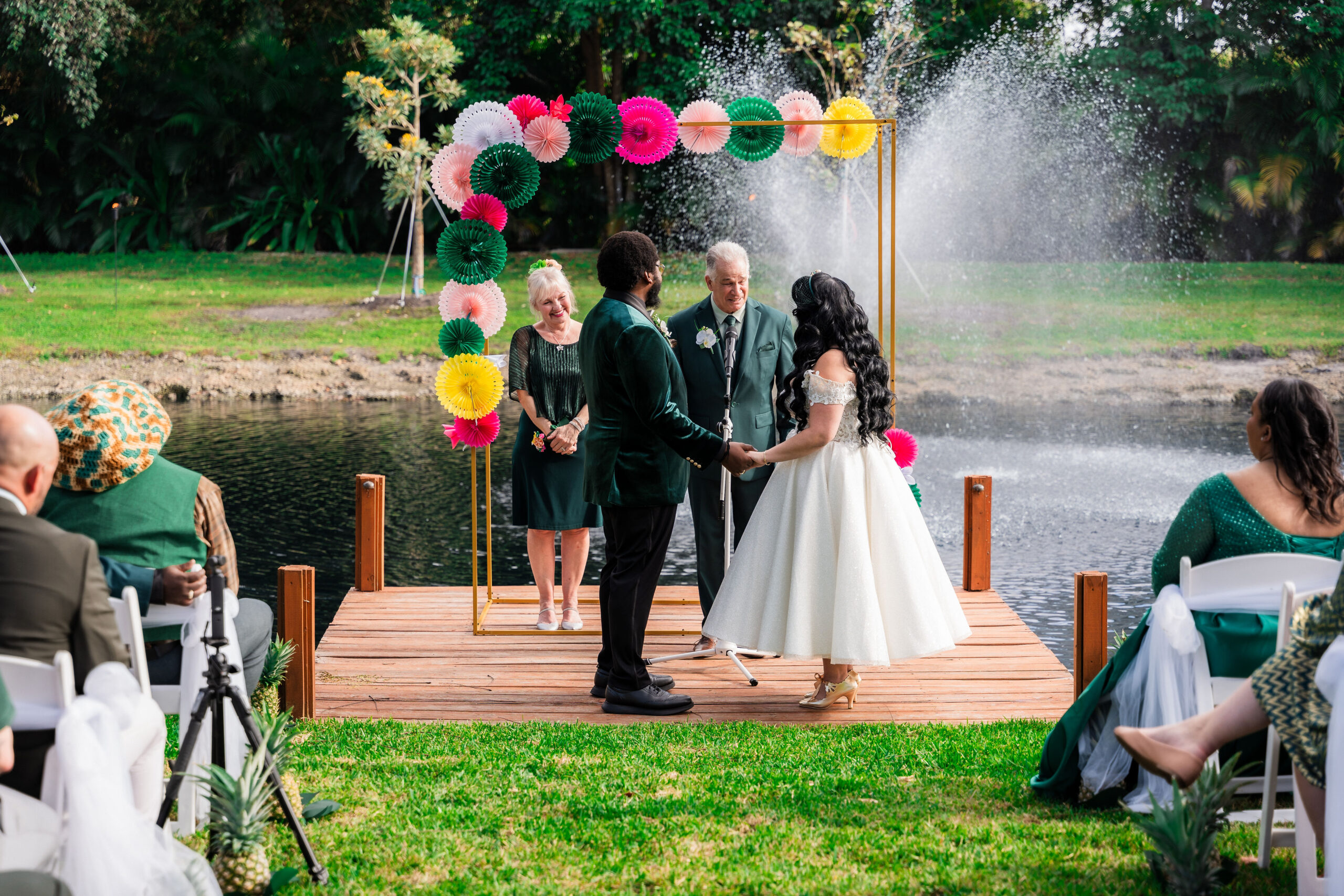
Bride and groom exchange vows on a lakeside dock with colorful spring arch décor at Saint Patrick Palace.
Why This Debate Exists in the First Place
The wedding planner debate did not appear overnight. It is the result of how modern weddings have evolved—particularly in how couples plan, budget, and execute events today.
Historically, many weddings took place in all-inclusive venues. These venues provided catering, staffing, timelines, and built-in coordination. Couples were guided through a defined process, and responsibilities were largely centralized. In those environments, hiring a wedding planner was often optional.
That model has changed.
Today’s couples are increasingly drawn to non-traditional venues, including private estate venues, backyard weddings, outdoor wedding venues, and Airbnb properties that allow events. These venues offer flexibility, creative freedom, and cost control—but they also shift responsibility back to the couple.
At the same time, social media has reshaped expectations. Pinterest, Instagram, and TikTok showcase weddings as seamless, beautiful moments, often without highlighting the logistics behind them. This creates the impression that weddings are simpler to manage than they truly are, especially in DIY or open-vendor settings.
Budgets also play a role. With rising wedding costs, many couples are looking for ways to allocate funds strategically. For some, that means prioritizing décor, photography, or guest experience over full-service planning. For others, it means assuming they can manage coordination themselves.
The result is confusion—not about whether planners are valuable, but about when they are necessary.
This debate exists because modern weddings sit at the intersection of:
-
Increased flexibility
-
Reduced structure
-
Higher expectations
-
Greater personal involvement
Understanding this shift is essential before deciding on the level of planning support that is right for your wedding.

A breathtaking aerial view of this lakeside ceremony as guests gather and the wedding party takes their places at this Airbnb wedding.
What a Wedding Planner Actually Does (And What They Don’t)
Before the wedding, a wedding planner manages logistics, communication, and preparation. Their role often begins months before the event. Planners help couples define priorities, set budgets, and create timelines. They assist with vendor selection and maintain communication with vendors. Planners also review contracts, confirm details, and track payment schedules. They design the event flow, including ceremony timing and reception pacing. Rental coordination and layout planning are also handled during this phase.
During the wedding, planners manage the timeline and oversee execution. They cue vendors and coordinate transitions throughout the event. Planners troubleshoot issues such as delays, weather changes, or vendor challenges. Their goal is to keep the event running smoothly without involving the couple. They serve as the central point of coordination while the celebration is underway.
After the wedding, planners may oversee breakdown and vendor departures. They confirm that rentals are returned and timelines are met. Some planners assist with final payments or post-event follow-ups. Their involvement after the event varies by contract and service level. Not all planners provide post-wedding services.
A wedding planner does not control venue policies or override house rules. They do not provide the venue or dictate vendor pricing. Planners do not manage guest behavior or replace venue staff. A planner is not required for every wedding, but their value increases with wedding complexity.
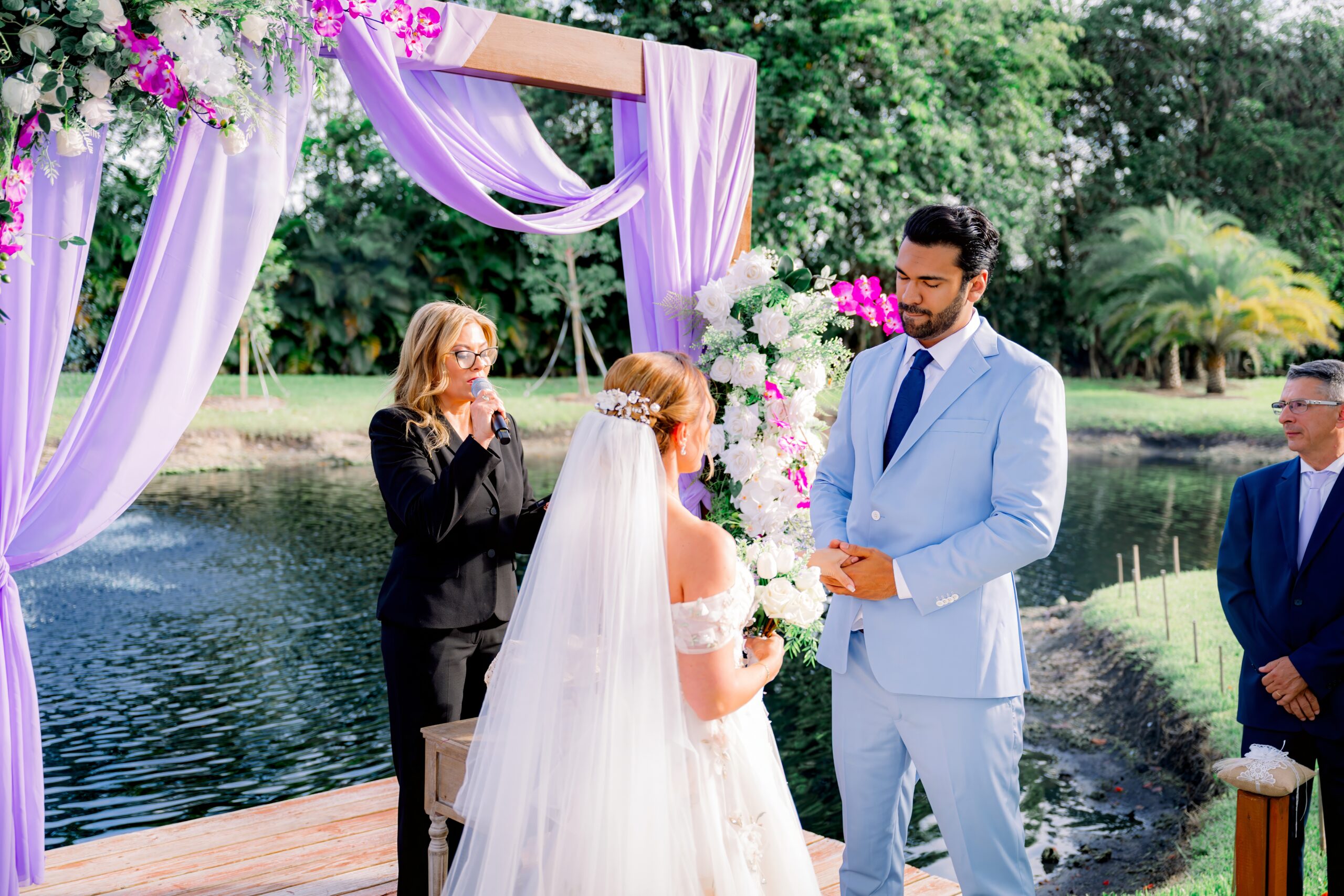
The ceremony began with joy. Then, vows turned the moment unforgettable by the water.
Venue Manager vs. Wedding Planner: The Most Common Misunderstanding
One of the biggest sources of confusion in wedding planning is the difference between a venue manager and a wedding planner. These roles are often assumed to be interchangeable, but they serve very different purposes. Understanding this distinction is critical, especially at private estate venues.
A venue manager or venue supervisor represents the venue. Their responsibility is protecting the property and enforcing venue policies. They oversee access, house rules, safety requirements, and vendor compliance with venue guidelines. Their focus is the estate, not the wedding vision or timeline.
A wedding planner represents the couple. Their role centers on logistics, vendor coordination, and event flow. Planners manage timelines and cue vendors throughout the day. They advocate for the couple’s priorities and handle details unrelated to venue operations.
Venue managers do not manage décor, cue ceremonies, or direct reception flow. Wedding planners do not override venue policies or assume responsibility for the property. These roles are complementary, but they are not interchangeable.
This misunderstanding often leads couples to assume coordination is included when it is not. Clear role definitions help avoid stress and unmet expectations.

Bride and groom share first dance under bistro lights at Saint Patrick Palace, a luxury Airbnb wedding venue in South Florida.
Why the Wedding Planner Debate Is Especially Relevant at Saint Patrick Palace
Saint Patrick Palace operates differently from traditional wedding venues. It is a legitimate short-term rental property that allows events. Couples are renting a private estate, not booking an all-inclusive venue. This distinction changes how weddings are planned and managed.
As an Airbnb wedding venue, Saint Patrick Palace offers flexibility and creative freedom. Couples select their own vendors and design their event from the ground up. There is no in-house catering, décor team, or production staff. This model attracts couples who value customization and control.
The venue follows an open vendor policy. Couples may work with any licensed and insured professionals. There is no required vendor list. This approach supports cultural traditions, personalized designs, and budget-conscious planning. It also places coordination responsibility on the couple or their hired planner.
Saint Patrick Palace is also a DIY-friendly venue. Couples may handle décor, layouts, and styling themselves. Friends and family often assist with setup. This works well for organized couples with simple timelines. It becomes more complex as guest counts and logistics increase.
The venue provides an on-site venue manager or venue supervisor on the event day. This role focuses on property access, safety, and policy enforcement. The venue manager does not coordinate the wedding itself. Planning, timelines, and vendor management remain separate responsibilities.
Because of this structure, some couples succeed without a full-service planner. Others strongly benefit from professional coordination. That is why the wedding planner debate is especially relevant at Saint Patrick Palace.
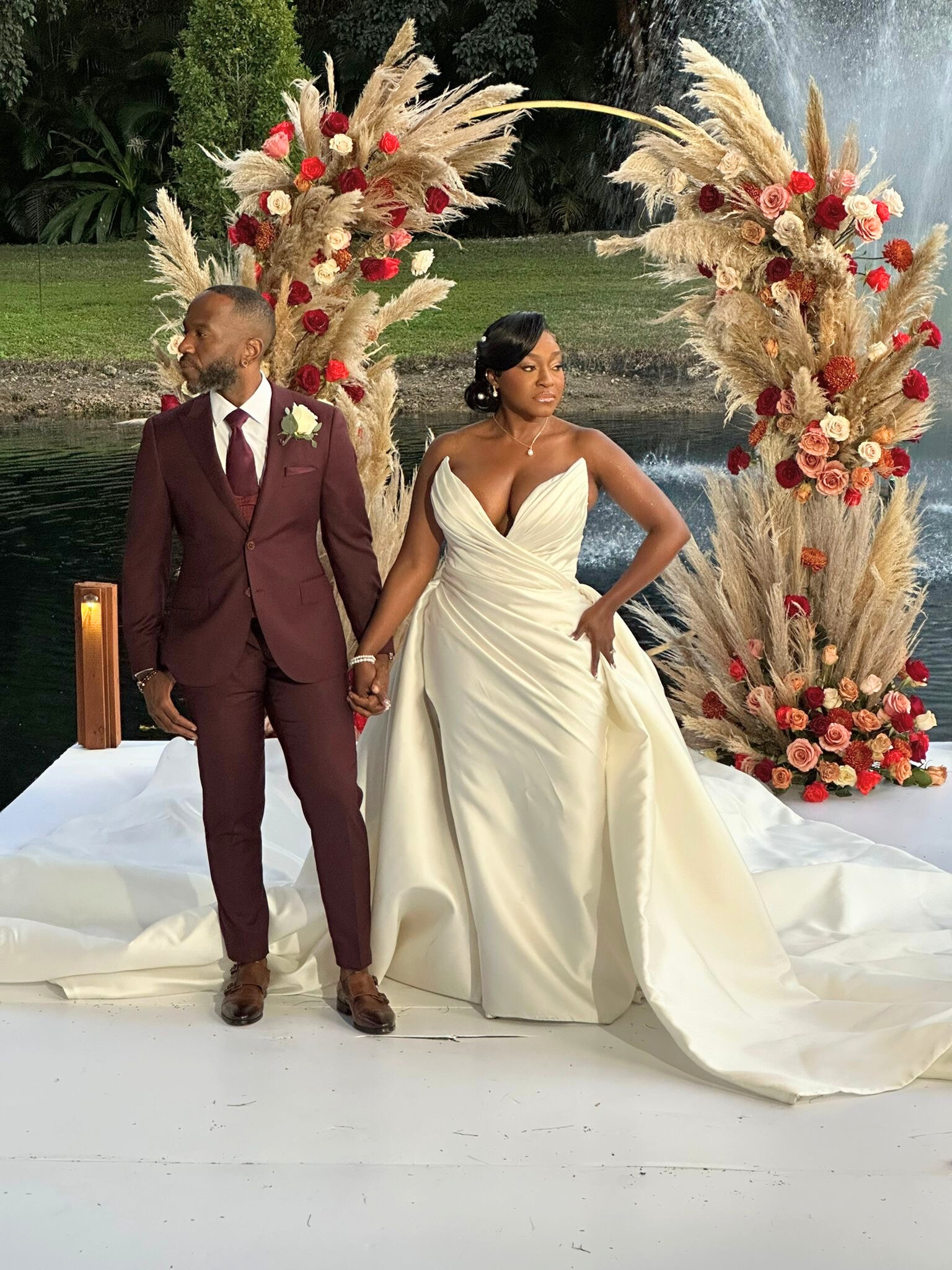
Elegant South Florida lakeside wedding with pampas grass and rose arch at Saint Patrick Palace.
What Saint Patrick Palace Provides on the Wedding Day
-
On-site venue manager or venue supervisor
-
Property access at approved times
-
Oversight of the estate and grounds
-
Enforcement of house rules and venue policies
-
Monitoring of vendor arrival and departure windows
-
Guest count compliance monitoring
-
Coordination with the required security personnel
-
General safety and property protection
The venue manager represents the property, not the wedding timeline or event design.
What Saint Patrick Palace Does Not Provide
-
Wedding planning services
-
Day-of or month-of coordination
-
Timeline creation or management
-
Vendor communication on behalf of the couple
-
Ceremony cueing or reception flow management
-
Décor setup, styling, or breakdown
-
Rental coordination or layout execution
-
Troubleshooting vendor delays or conflicts
These responsibilities belong to the couple, their planner, or a designated event lead.
Why This Distinction Matters
-
Prevents confusion on the wedding day
-
Protects the guest experience
-
Allows the venue manager to focus on the estate
-
Helps couples choose the right level of planning support
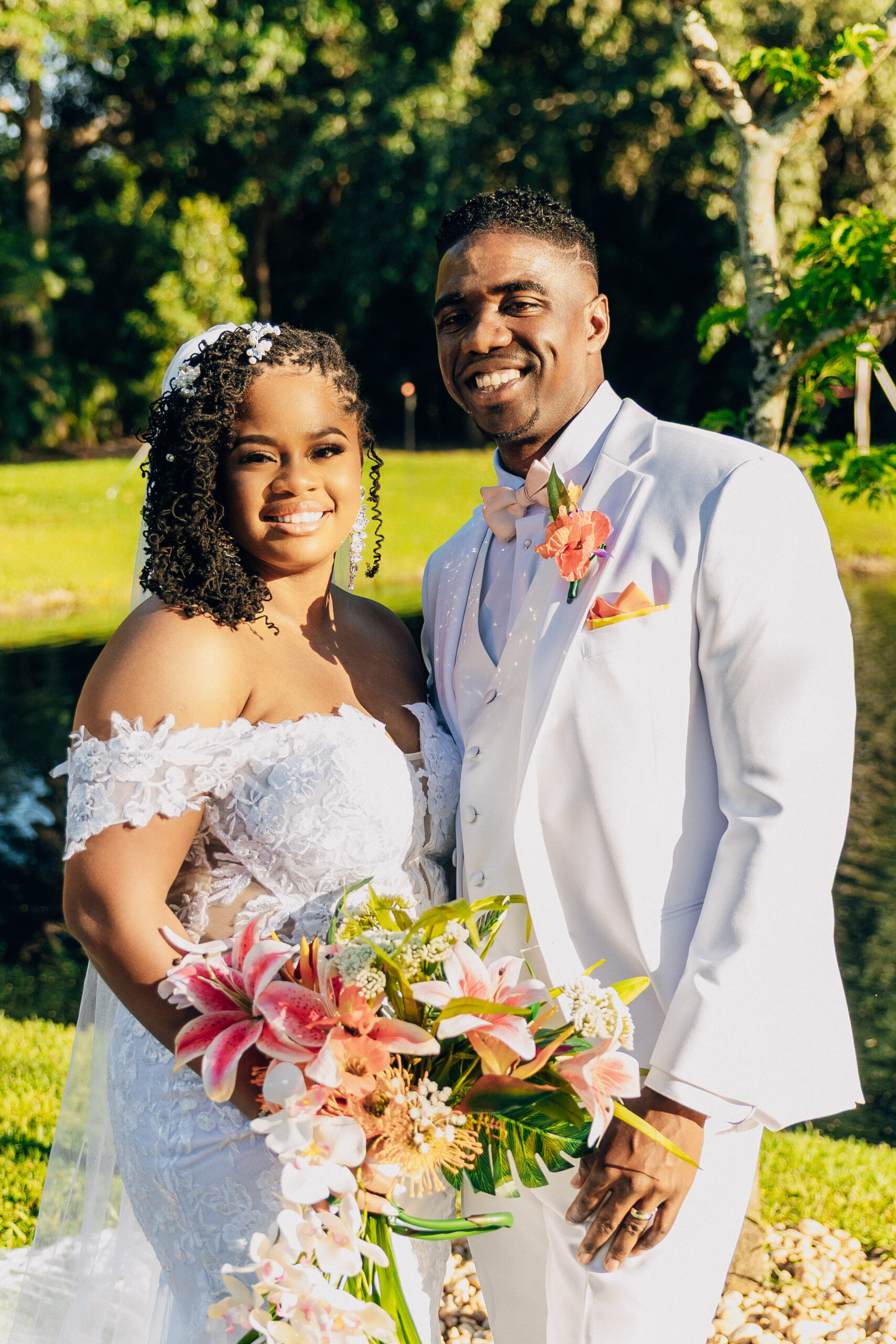
Bride and groom at Saint Patrick Palace with a tropical bouquet and an elegant white suit in a romantic Airbnb wedding.
When a Wedding Planner Is Essential
A wedding planner becomes essential when event logistics extend beyond simple coordination. Certain wedding formats and expectations significantly increase complexity.
-
Private estate venues or backyard-style wedding venues
These weddings lack built-in infrastructure and staff. All logistics must be planned, scheduled, and executed independently. -
Tented events with rentals, power, and layout complexity
Tented weddings require careful coordination of rentals, power distribution, lighting, and weather contingencies. These elements must align precisely. -
Larger guest counts
As guest counts increase, timelines tighten, and transitions become more complicated to manage. More guests require stronger oversight and coordination. -
Multi-vendor productions
Events with many independent vendors require constant communication. Without a planner, details are easily missed or misaligned. -
Couples seeking a hands-off experience
Couples who want to enjoy their wedding day should not manage logistics. A planner absorbs decision-making and problem-solving.
In these situations, a wedding planner acts as the operational lead. Their presence reduces stress, protects timelines, and improves the guest experience.

Lakeside wedding ceremony at Saint Patrick Palace featuring elegant design and seamless coordination by a full-service wedding planner.
When a Full-Service Planner May Not Be Necessary
A full-service wedding planner may not be necessary for every couple or every event. Some weddings are simpler in structure and easier to manage. Couples with strong organizational skills often handle planning successfully. This is especially true when expectations and timelines remain straightforward.
Smaller weddings with modest guest counts are easier to coordinate. Fewer vendors reduce communication demands and scheduling risks. Events with simple layouts and limited rentals require less oversight. Experienced vendors also help reduce coordination challenges.
Some couples prefer a hands-on approach. They enjoy managing details and staying involved throughout the process. When a trusted lead is assigned for the wedding day, coordination can remain manageable. This may include a family member, friend, or partial coordinator.
At flexible venues with clear policies, couples can self-manage successfully. However, couples must actively consult with the venue manager and vendors. This ensures timelines, access, and setup plans remain compliant. When responsibilities are clearly confirmed, a full-service planner becomes optional rather than essential.
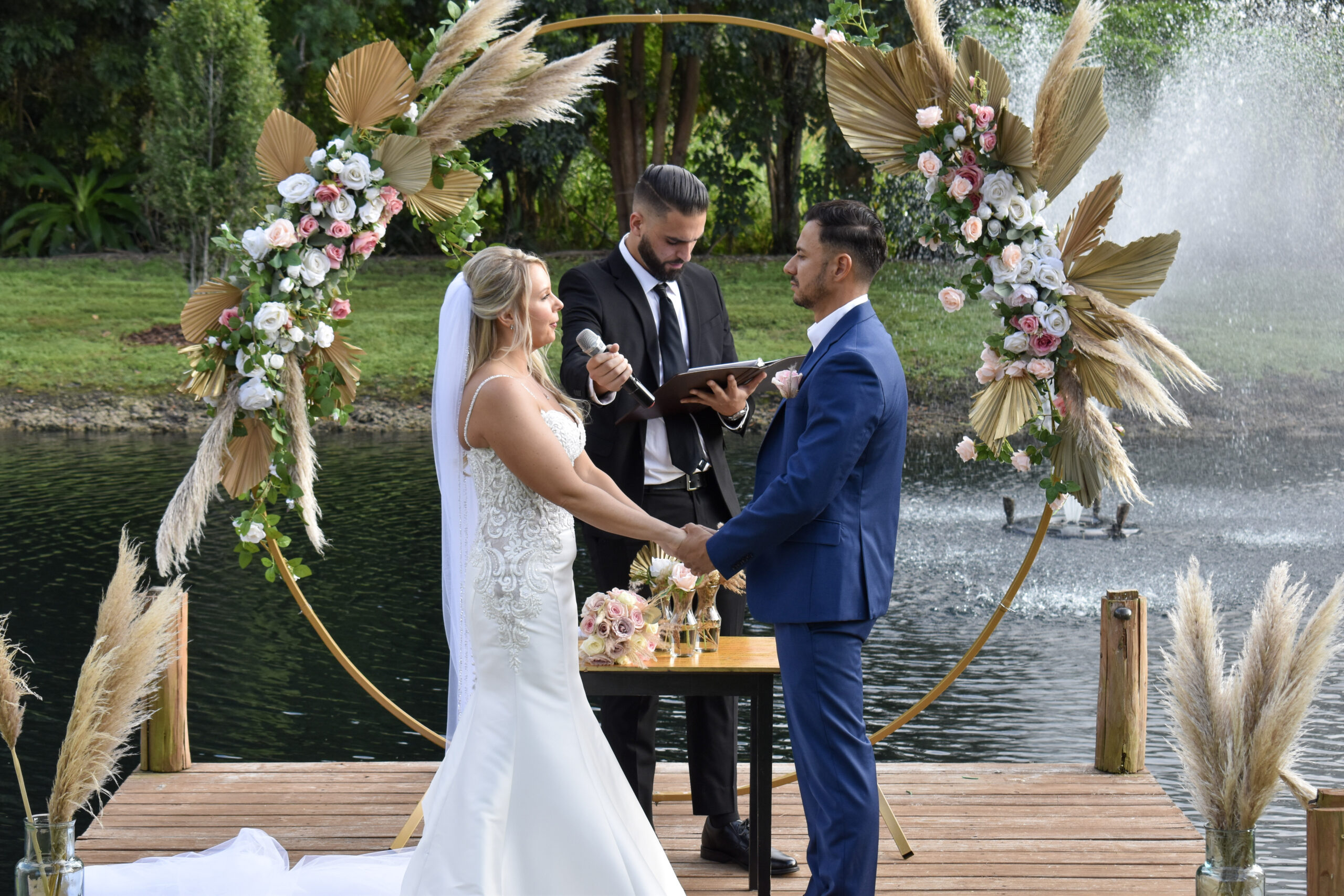
Romantic lakeside ceremony with pampas and blush florals at Saint Patrick Palace.
Alternatives to Full-Service Planning
Full-service planning is not the only option for couples. Many choose alternatives that offer support without full involvement. These options work best when expectations are realistic and responsibilities are clearly defined.
Month-of or day-of coordination is a common alternative. This service focuses on final details and wedding day execution. Coordinators step in near the event date to manage timelines and vendors. This option suits couples who handle planning but want support on the day.
Partial planning services provide guidance in specific areas. This may include timeline creation, vendor referrals, or design support. Couples remain involved while receiving professional input where needed. Partial planning helps reduce risk without full-service costs.
Some couples assign a trusted lead for the wedding day. This person manages vendors and keeps events moving. They must communicate with the venue manager and vendors in advance. Clear authority and preparation are essential for success.
These alternatives can work well in flexible venues. Success depends on communication, preparation, and defined roles. Choosing the right level of support protects the wedding day experience.

Couple standing beneath the chuppah during a classic ceremony at Saint Patrick Palace, surrounded by loved ones and soft evening light.
The Hidden Risks of Skipping a Planner
Skipping a wedding planner can create challenges that are not obvious during planning. Many issues only surface on the wedding day. Without a clear lead, small problems can escalate quickly.
Timeline breakdowns are one of the most common risks. When no one actively manages the schedule, delays compound. Vendors may arrive early, late, or overlap. This disrupts setup, transitions, and key moments.
Vendor miscommunication is another frequent issue. Independent vendors may have different assumptions about timing, access, or responsibilities. Without coordination, important details can be missed. This often places pressure on the couple during the event.
Set-up and breakdown confusion can also occur. Décor, rentals, and personal items require clear direction. Without a planner, family members often step into management roles. This can pull them away from enjoying the celebration.
The greatest risk is added stress for the couple. Couples may be asked to make decisions during the event. This distracts from the experience they planned. A planner’s absence is felt most when something goes wrong.

Elegant wedding portrait with a luxe floral arch and modern tiered cake.
The Real Question Couples Should Ask — And Where Saint Patrick Palace Stands
The real question is not whether you need a wedding planner. Who is managing the wedding day? Every wedding requires leadership over timelines, vendors, and decisions. If that role is unclear, problems often follow.
Private estate venues require this responsibility even more. Someone must manage transitions, resolve issues, and keep events on schedule. If a planner is not hired, that responsibility shifts elsewhere. It often falls on the couple, family members, or vendors.
A wedding planner is not a requirement. It is a strategic choice based on complexity, comfort level, and expectations. Some couples enjoy hands-on planning and succeed with strong organization. Others prefer to be fully present as guests at their own wedding.
At Saint Patrick Palace, flexibility is intentional. This Airbnb wedding venue provides the estate and on-site venue supervision. Planning and coordination decisions remain with the couple. However, experience has shown a clear pattern.
The most seamless, beautiful, and elegant weddings at Saint Patrick Palace consistently involve a full-service wedding planner. The difference is clear and observable. Timelines run smoother from start to finish. Vendor communication is more organized and proactive. Design elements are executed with greater consistency and intention. Couples experience less stress and more time to enjoy their celebration. While successful weddings can occur without planners, full-service planning consistently produces the strongest overall outcomes.
For couples weighing their planning options, contact our team to help clarify whether full-service planning will best support your vision at Saint Patrick Palace.